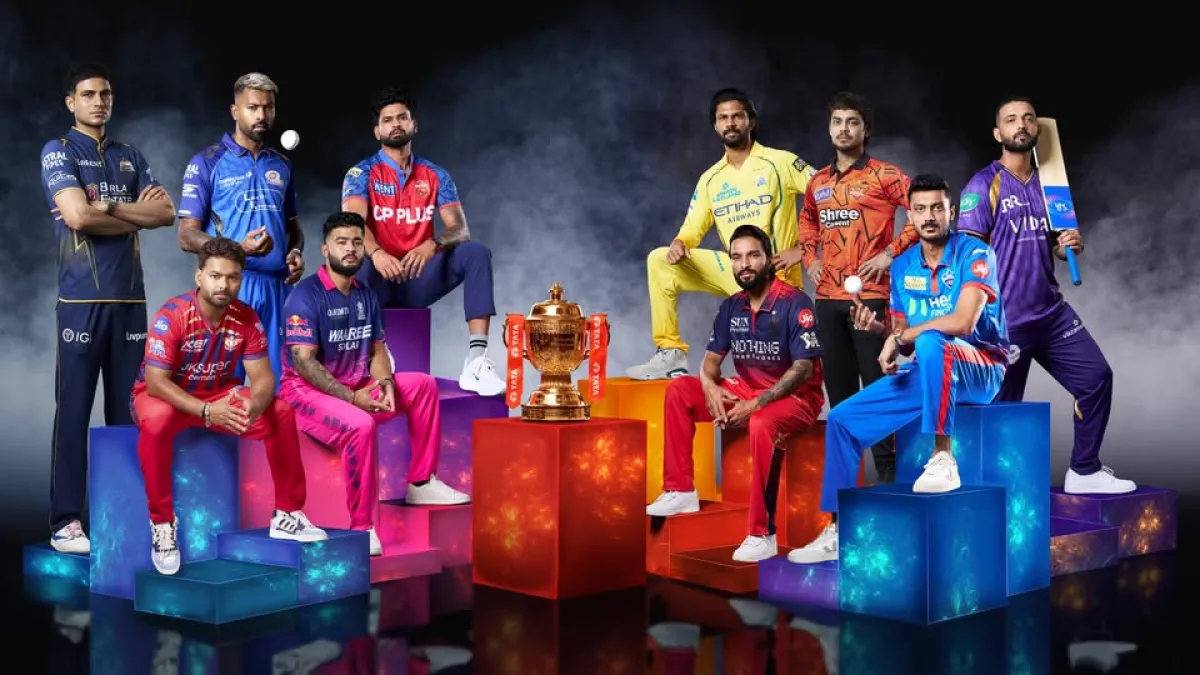
The Indian Premier League has never been afraid of a makeover. Since that first ball was bowled in 2008, the BCCI has tweaked teams, timings, and tournament structures more times than most fans can keep track of. But as we dive into IPL 2026—the 19th edition of the world's biggest cricket spectacle—one subtle change is quietly rewriting the playbook.
The fixture format has been flipped, and the impact is already being felt on the pitch.
What Exactly Has Changed?
In previous seasons with 10 teams, the sides were split into two virtual groups. You’d play everyone in your group twice and everyone in the other group once. This year, that logic has been turned on its head, echoing a format we haven't seen since 2023.
Here’s the breakdown:
- You now play teams in your own group once.
- You play teams in the opposite group twice.
In plain terms, your fiercest local rivals—the ones you used to battle twice every year—now only get one shot at you. Meanwhile, the "outsiders" from the other group are now your primary hurdles. It sounds like a minor administrative tweak, but it’s a massive shift in how the season unfolds.
The Ripple Effect on Rivalries
The most immediate casualty of this flip is the dilution of the league's "blockbuster" rivalries. Take Royal Challengers Bengaluru (RCB) and Chennai Super Kings (CSK). In 2026, they share a group, which means they are only scheduled to meet once in the league stage.
For the fans, that’s a tough pill to swallow. The RCB vs. CSK clash is the crown jewel of the IPL—a cocktail of massive fanbases, legendary personalities, and years of history. Limiting it to a single encounter doesn't just disappoint the supporters; it turns that one game into a high-pressure pressure cooker where every single ball carries double the weight.
Strategic Chaos in the Dugouts
For team management, this format demands a total rethink of squad depth and data analysis.
No Second Chances: Against in-group rivals, the luxury of "learning from the first game" is gone. You have one shot to get your matchups right.
The Long Game: Against cross-group opponents, you now have a "series" dynamic. Teams with elite analytical backrooms will have the edge, using the first game to gather data and pivoting their strategy for the rematch.
With the playoff structure remaining the same—the top four qualify, with the usual Qualifier and Eliminator setup—there is zero margin for error. One bad night against a cross-group rival you face twice could effectively end a franchise's title hopes.
RCB: Champions Under the Microscope
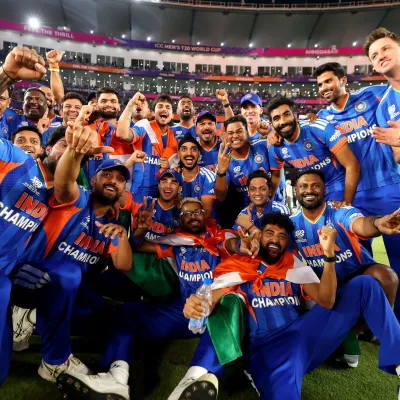
As the defending champions, having beat Punjab Kings in last year's final, Royal Challengers Bengaluru find themselves in a unique spot. For them, the flip is a double-edged sword. On one hand, facing certain heavyweights only once reduces the risk of being "found out" by a specific rival. On the other, there’s no safety net if they stumble early against a cross-group opponent.
RCB will need to maintain their title-winning chemistry through May 24, navigating a rhythm that feels entirely different from their successful 2025 campaign.
A Format That Rewards Versatility
The philosophy here seems clear: the BCCI wants to reward teams that are adaptable. Rather than letting a team coast by dominating a "cozy" group, this structure forces squads to be well-rounded enough to beat a wider variety of opponents across the board.
Interestingly, while there was talk of expanding the tournament to 84 or even 94 matches, the league has stuck with 74 games for now. This flipped format acts as a bridge—a stepping stone toward a future where every team eventually plays everyone else twice in a full home-and-away cycle.
The Verdict
We’re only a few weeks into the 2026 season, but the "flip" is doing exactly what it was meant to: creating uncertainty. Teams that looked perfect on paper are being tested by unfamiliar match-ups, and coaches are being forced to make bolder calls earlier than usual.
The IPL has always thrived on drama, and this year, it’s baked right into the schedule. Old rivalries have become "must-watch" single-game sprints, while new cross-group battles are evolving into fascinating multi-game storylines. The format has flipped, and as always, the chaos has followed.